About our fabric
The cloth comes first.
We didn’t start with clothes — we started with cloth. Weight, drape and how a fibre ages decide everything that follows. Every Wearon piece begins there.
Read the Fabric Passport →Our philosophy
We design for the tenth year, not the first wear. Fewer pieces, made honestly, kept longer.
How it’s made
01
The cloth
We choose every fabric ourselves — judging weight, drape and how a fibre will age long before a pattern is cut.
02
The cut
Patterns are refined over repeated fittings so a piece sits cleanly on real bodies, not just on the stand.
03
The finish
Garment-dyed, washed and pressed so colour settles and the hand softens — finished to last past the season it launched in.
The lookbook

Styling notes
How to Style a Dress That Reads Quiet, Not Loud
The Wearon Studio team·5 min read
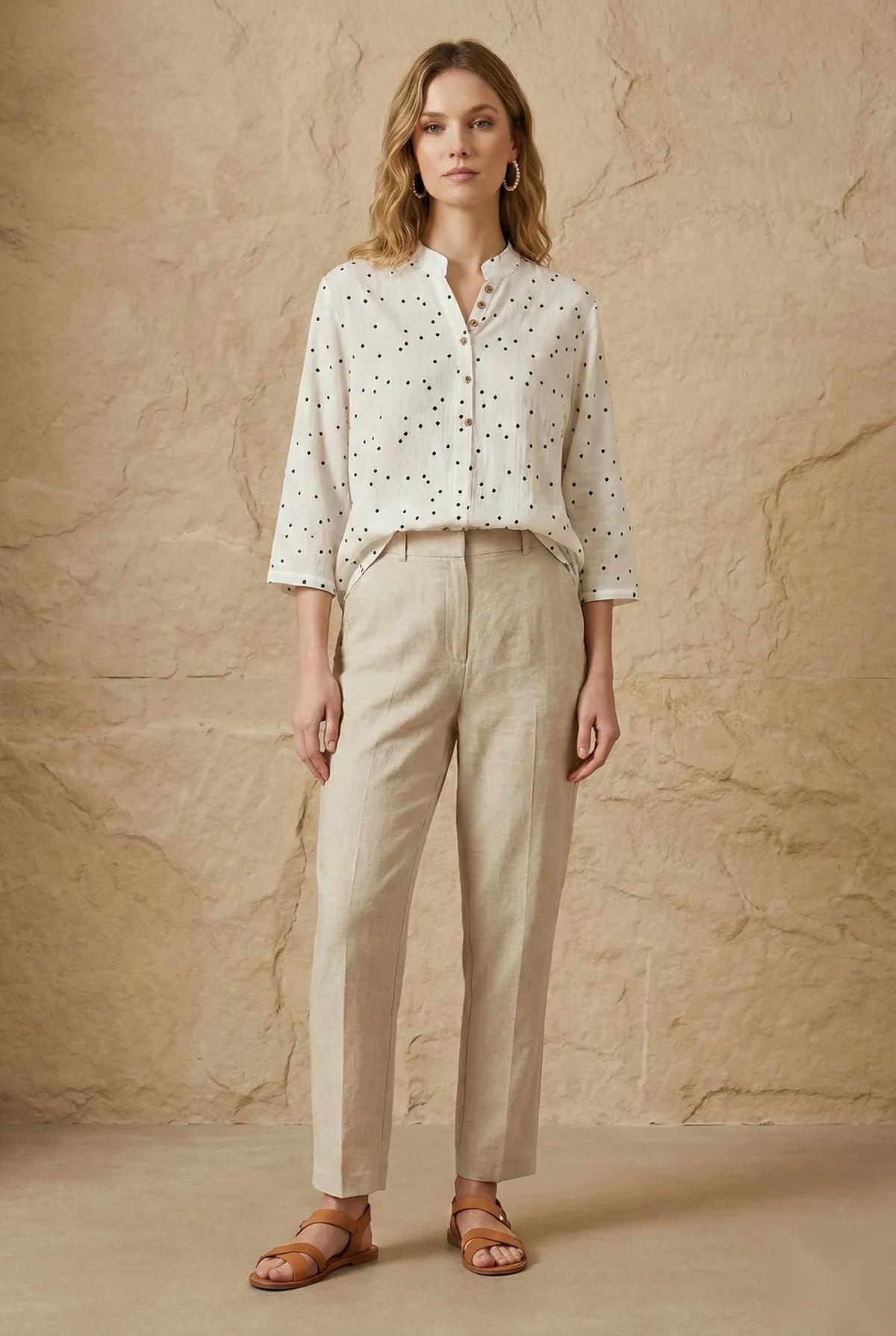
A dress is the rare garment that is already a whole outfit — one decision, made once, worn all day. That is also why it is so easy to over-think. Learning how to style a dress is less about adding and more about editing: choosing a cut that suits your frame, then letting the cloth do the talking. Our dresses are cut from cloth chosen for its weight and drape, so the fall is considered before you ever put it on.
Start with the cloth
The difference between a dress that hangs and one that holds is almost always the fabric, not the seam. A slightly heavier weave skims the body and stays where you place it; a fluid one moves and softens a strong line. Each piece arrives with a Fabric Passport recording its fibre, weight, weave and origin, so you can choose for how a dress behaves rather than guessing from a photograph. Read the weight first — it tells you more about the final silhouette than the size label does.
Proportion before accessories
Settle the shape before you reach for anything else: where the hem lands, how the shoulder sits, whether the waist is defined or left clean. A column dress wants a flat shoe and an honest, undone line; a fuller cut can take a heavier boot or a wide belt to anchor it. Because the line is drawn to be worn by anyone, the styling is about your proportions, not a prescribed look — lengthen with a single vertical, or break the silhouette deliberately with an open shirt or a knit layered over the top. One considered addition reads richer than three competing ones.
Care that keeps the drape
A dress earns its place by being worn for years, and that depends on how you treat the cloth between wearings. Wash cold and dry flat unless the Fabric Passport says otherwise; cold water protects colour and structure, and flat drying spares the drape that gives the dress its fall. Hang it on a broad shoulder rather than a wire hook, steam rather than press where you can, and let it rest a day between wears. Cared for this way, the garment ages into something better, not thinner — and if the fit isn't right, our 14-day returns mean nothing is final on the first try.
A good dress is not a moment you buy into — it is a decision you keep wearing.
The list
First look at every drop.
No noise. Collections, restocks, and the occasional fabric story.


